Puzzle of St. Matthew
A word and image-based puzzle prototype set in a mysteriously abandoned cathedral
Goal:
To make an atmospheric exploration prototype based around language-based and image-based puzzles.
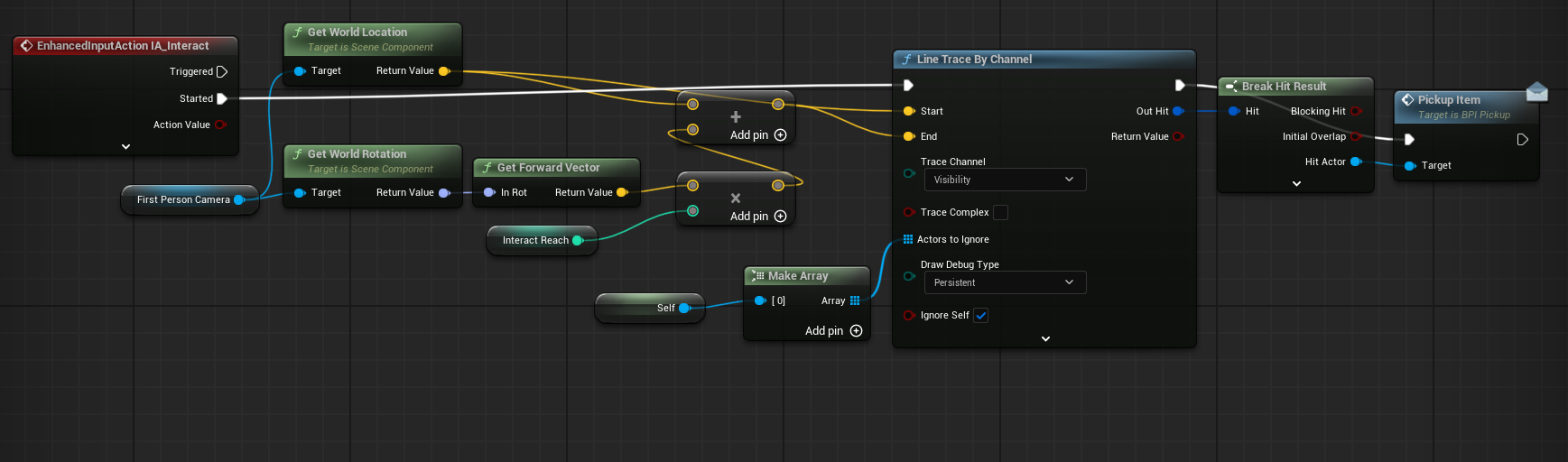
Section of the Collectible Interface BP:
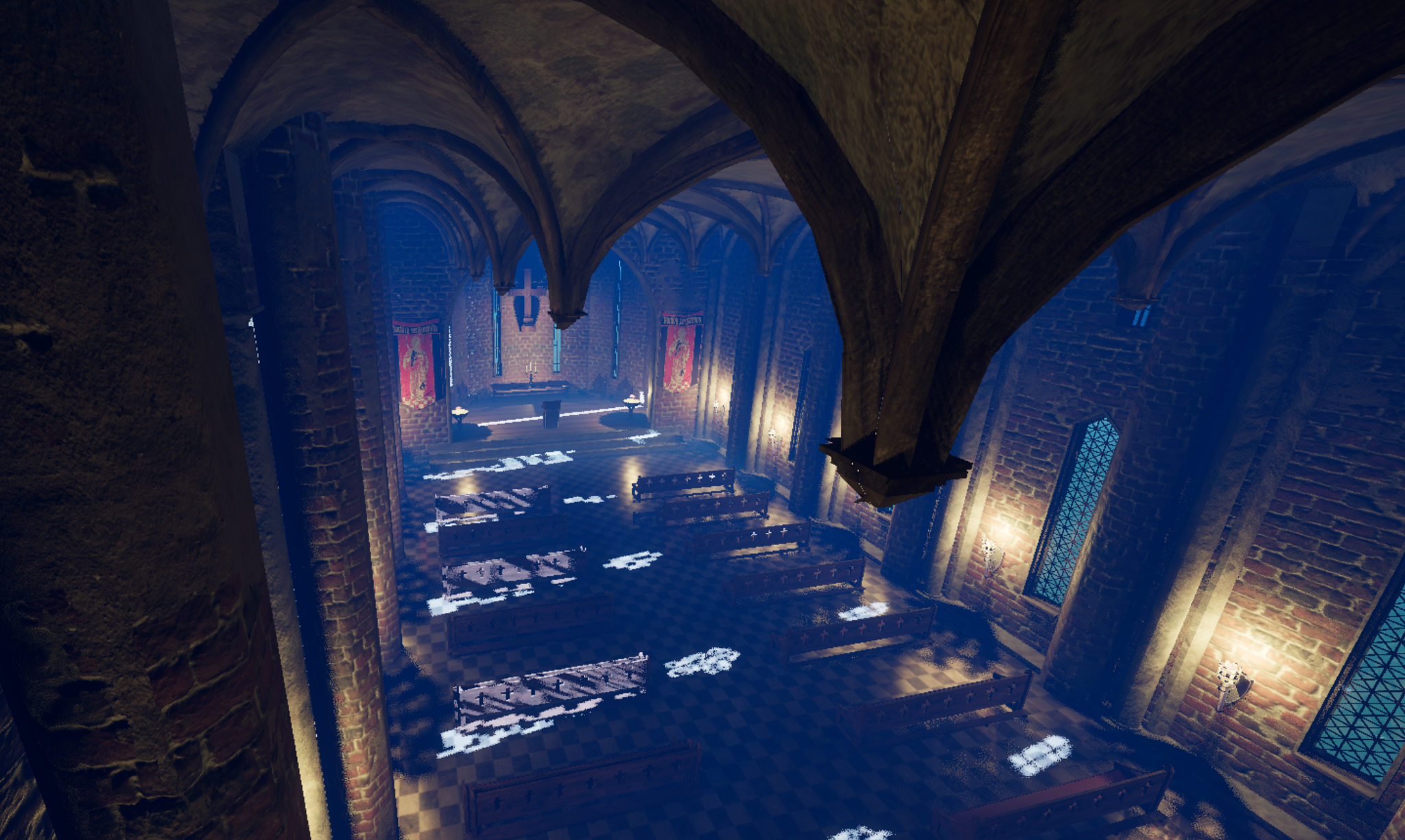
Project Details:
- This prototype was made over the course of a week using Unreal Engine 5.
- Blueprints designed to break large scripts down into Custom Events, and use Macros to reduce repeated code.
- Designed a key-collection functionality using Interfaces, intended to reduce casting.
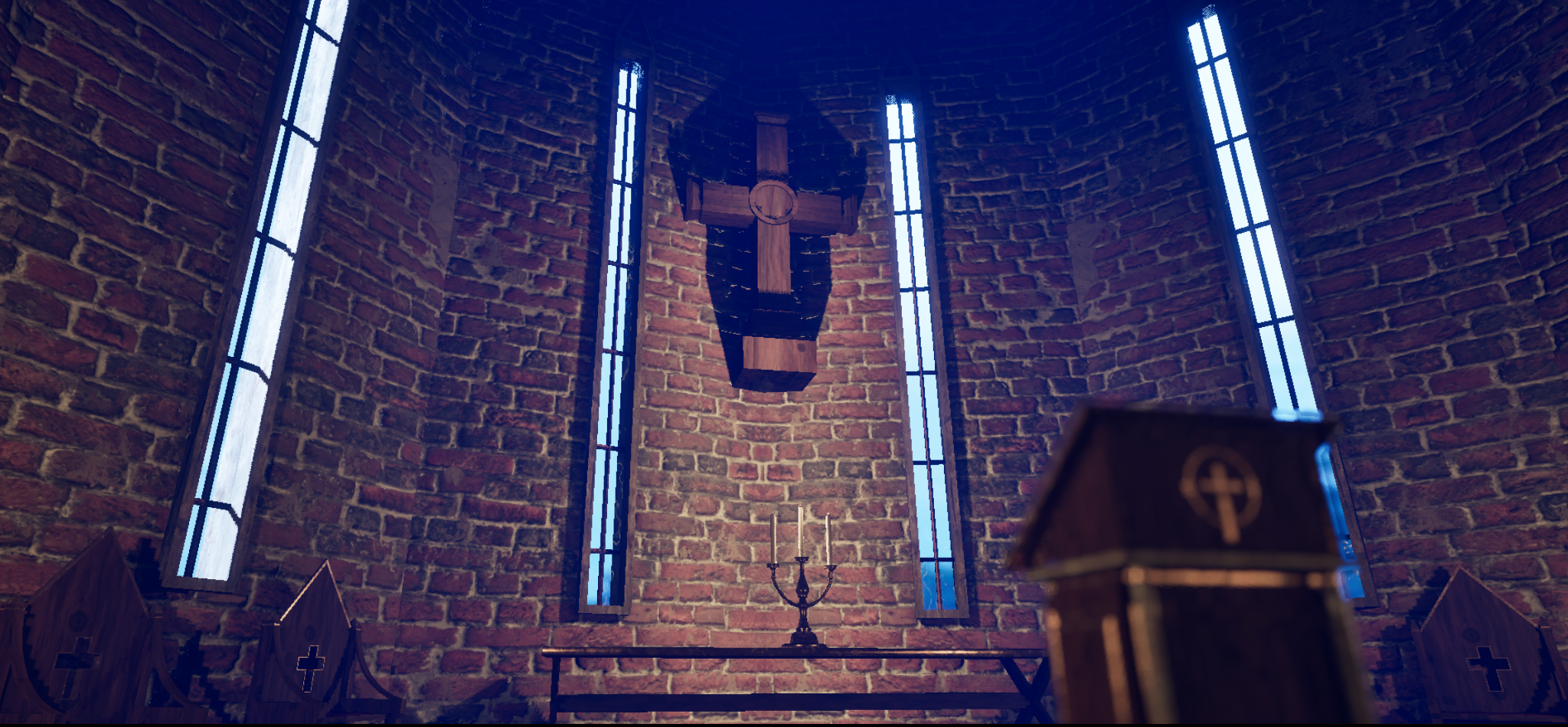
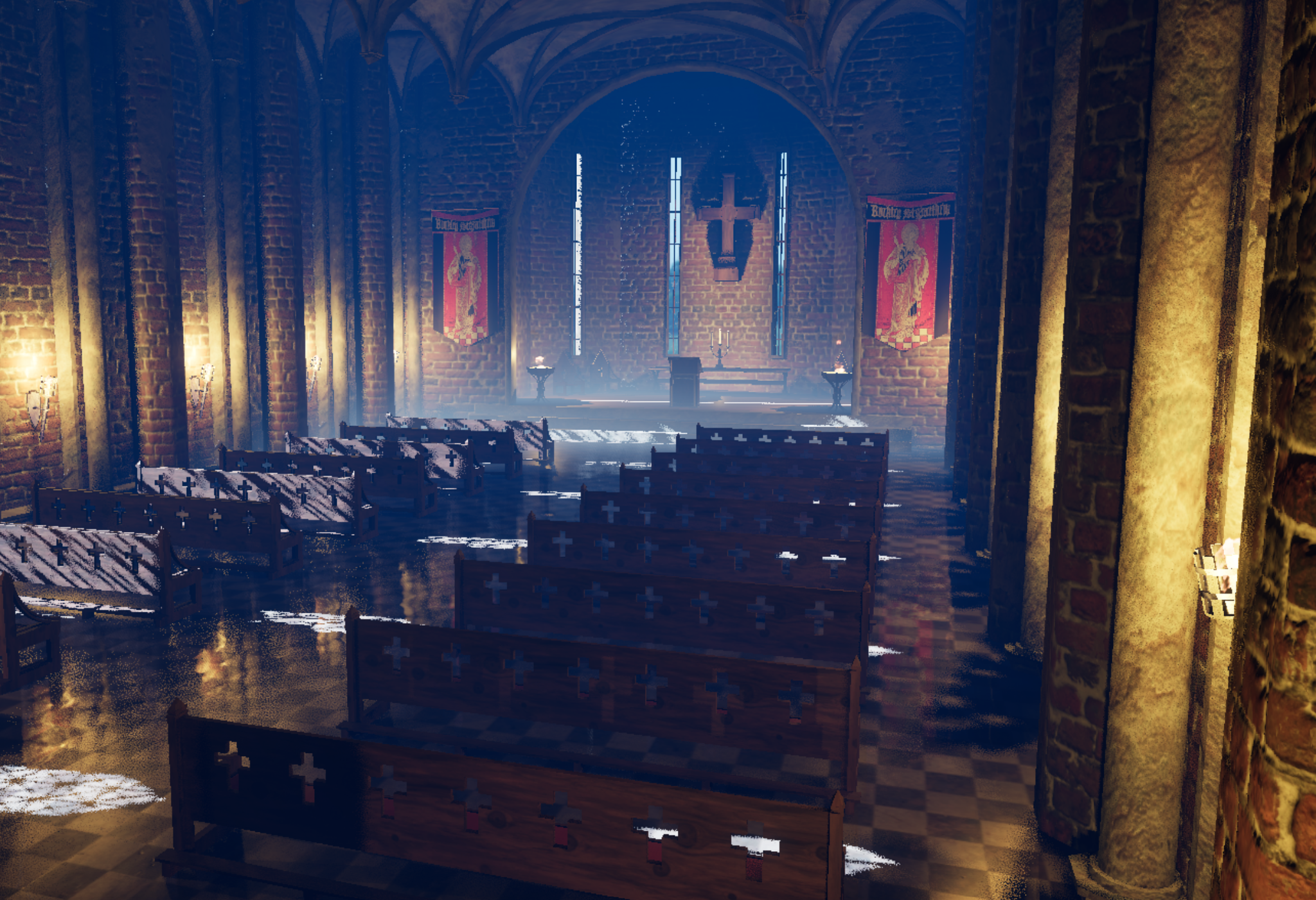
- Utilised lighting systems (Lumen, point/spot lights, emissives) to create a dramatic and atmospheric mood.
- Applied post-processing volumes to enhance tone, contrast, bloom, and depth of field for cinematic visuals.
- Implemented volumetric fog, particle effects, and lens flares to add depth and realism to the environment.
- Assets used came from the FAB store or were made using Adobe Photoshop.
Design Breakdown:
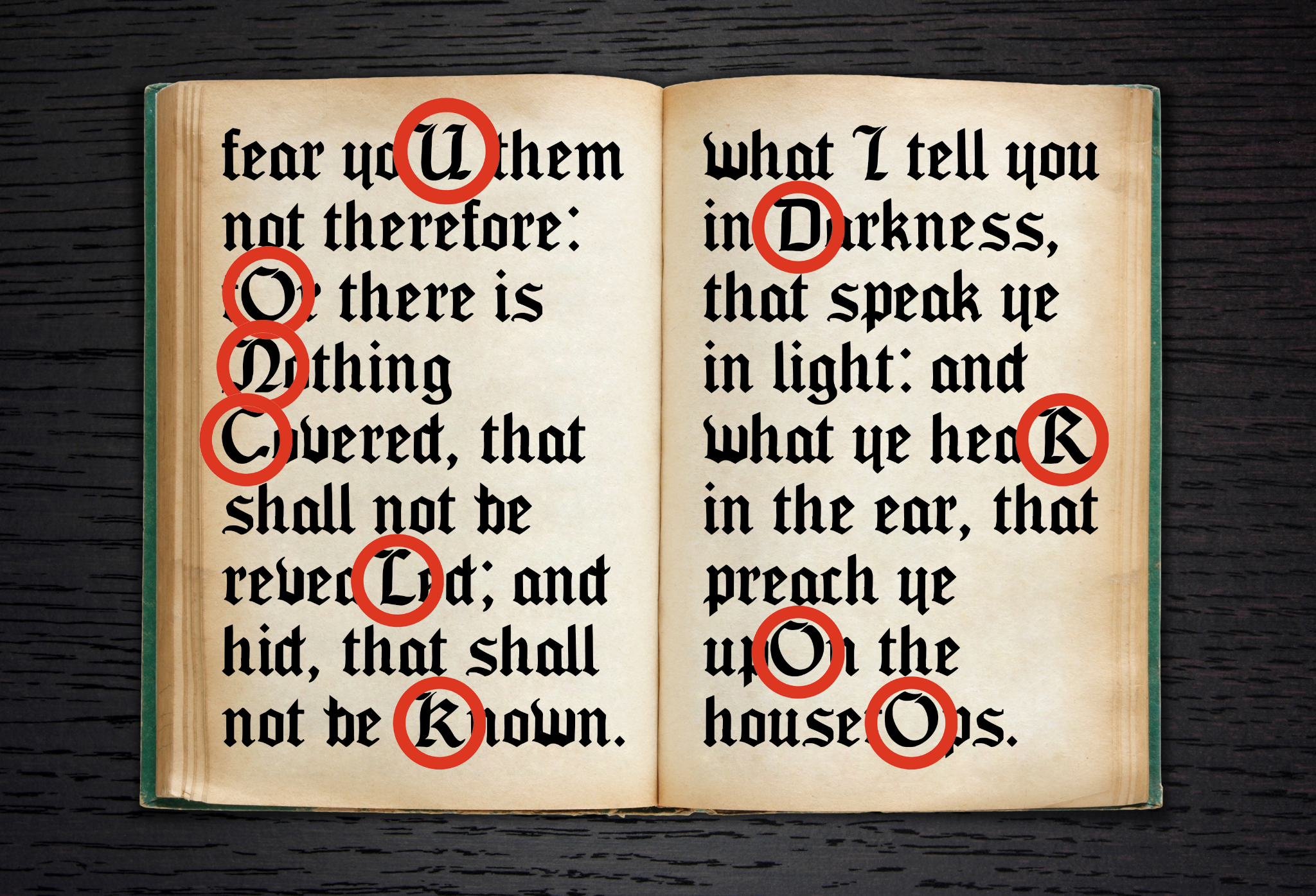
- Having collected the letters, player must input them into the base of a statue found at the back of the cathedral.
- Players need to unscramble the letters to create the words 'UNLOCK' and 'DOOR'
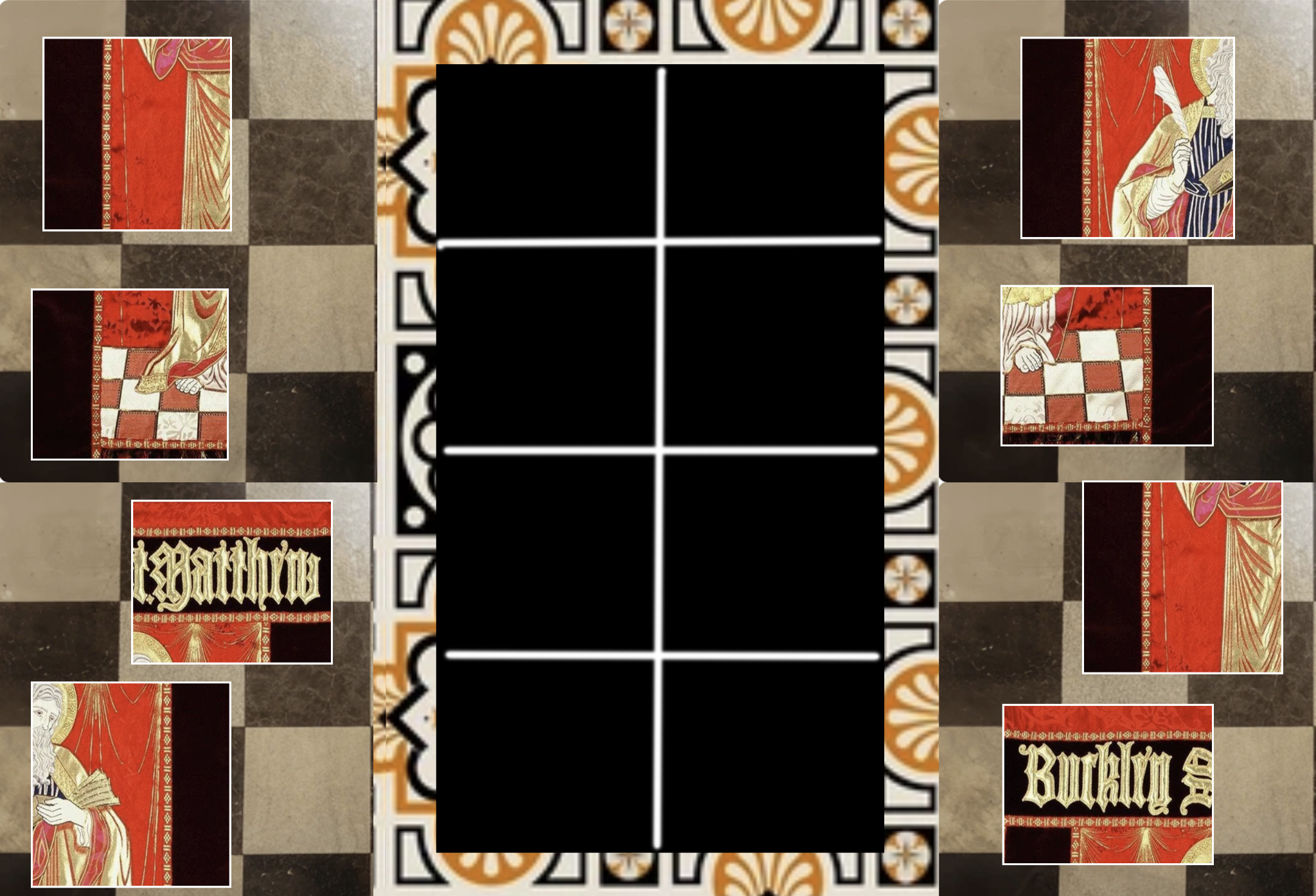
- Proceeding to the next section, players have to piece together a broken floor mosaic to progress.
- The pieces are picked up by clicking and dragging them into the right locations.
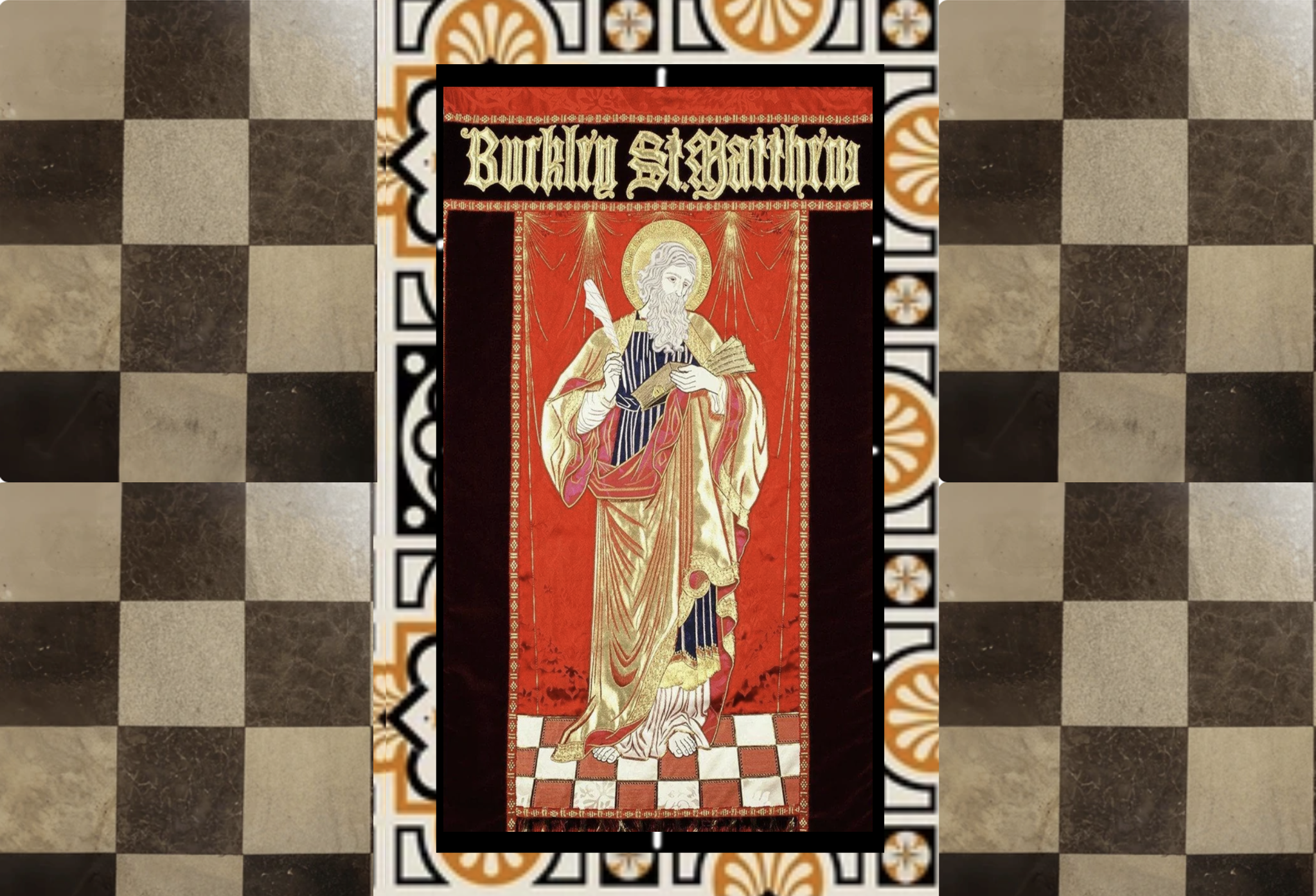
- If the player becomes stuck, further exploring of the cathedral will give them in a hint due to the hanging banners of St. Matthew at the front of the nave.
- Slotting in all the pieces correctly grants the player a key which they can use to open the cathedral doors and escape.
Player Intended Flow:
- Players will find an old tome at the pulpit with an exerpt from St. Matthew's gospel.
- Upon looking closely, they will see unusual capitalization amongst the words.
- They must take note of these letters and the order they appear in.
Reviewing and Iteration:
- Gained peer feedback via external testing.
- Refined word puzzle to ensure it was challenging but not misleading.
- Reviewed and improved player instructions, making sure they were precise and consistent to increase task clarity.